Best Recipe ideas with star anise
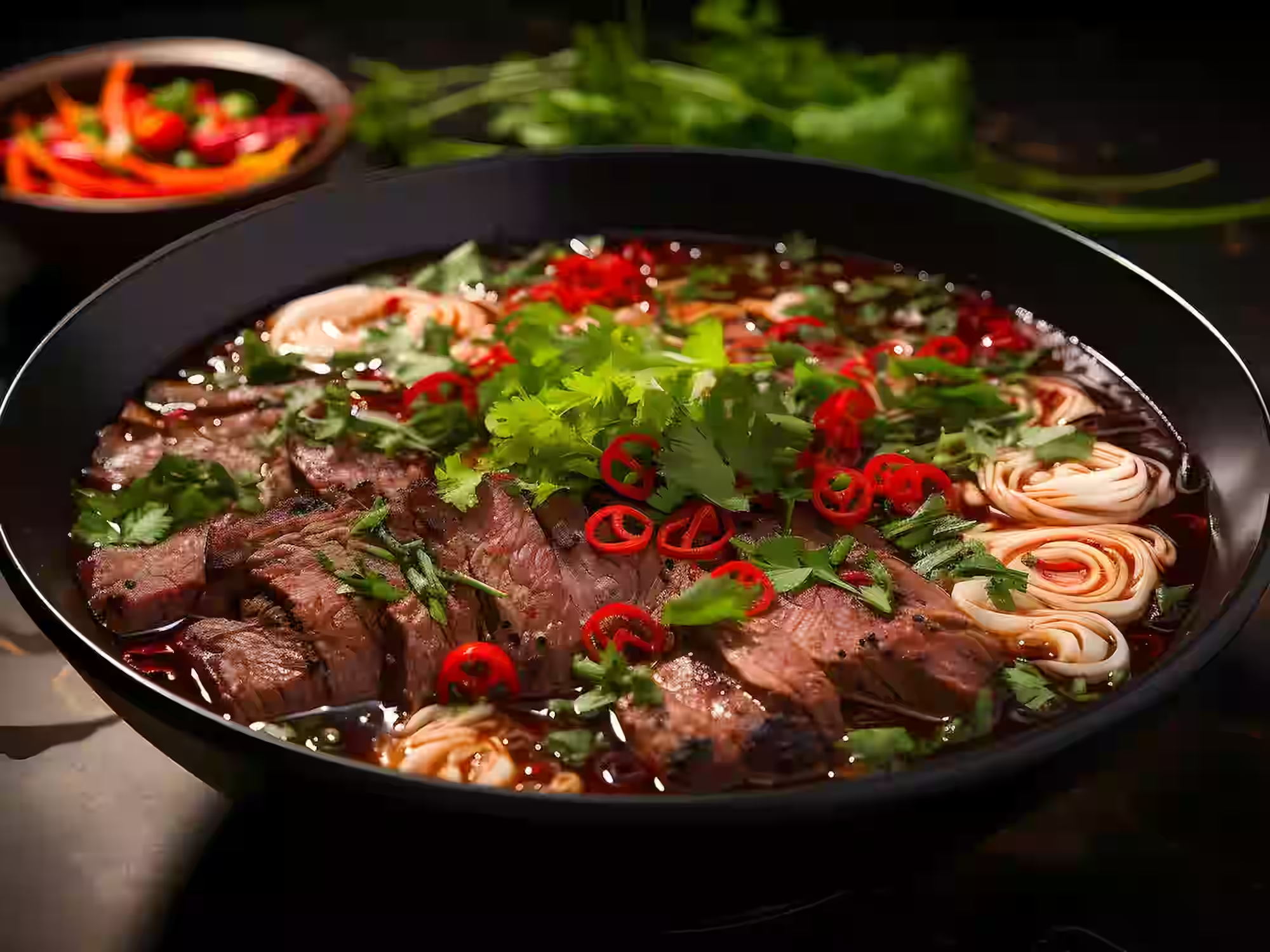
A recipe idea with star anise
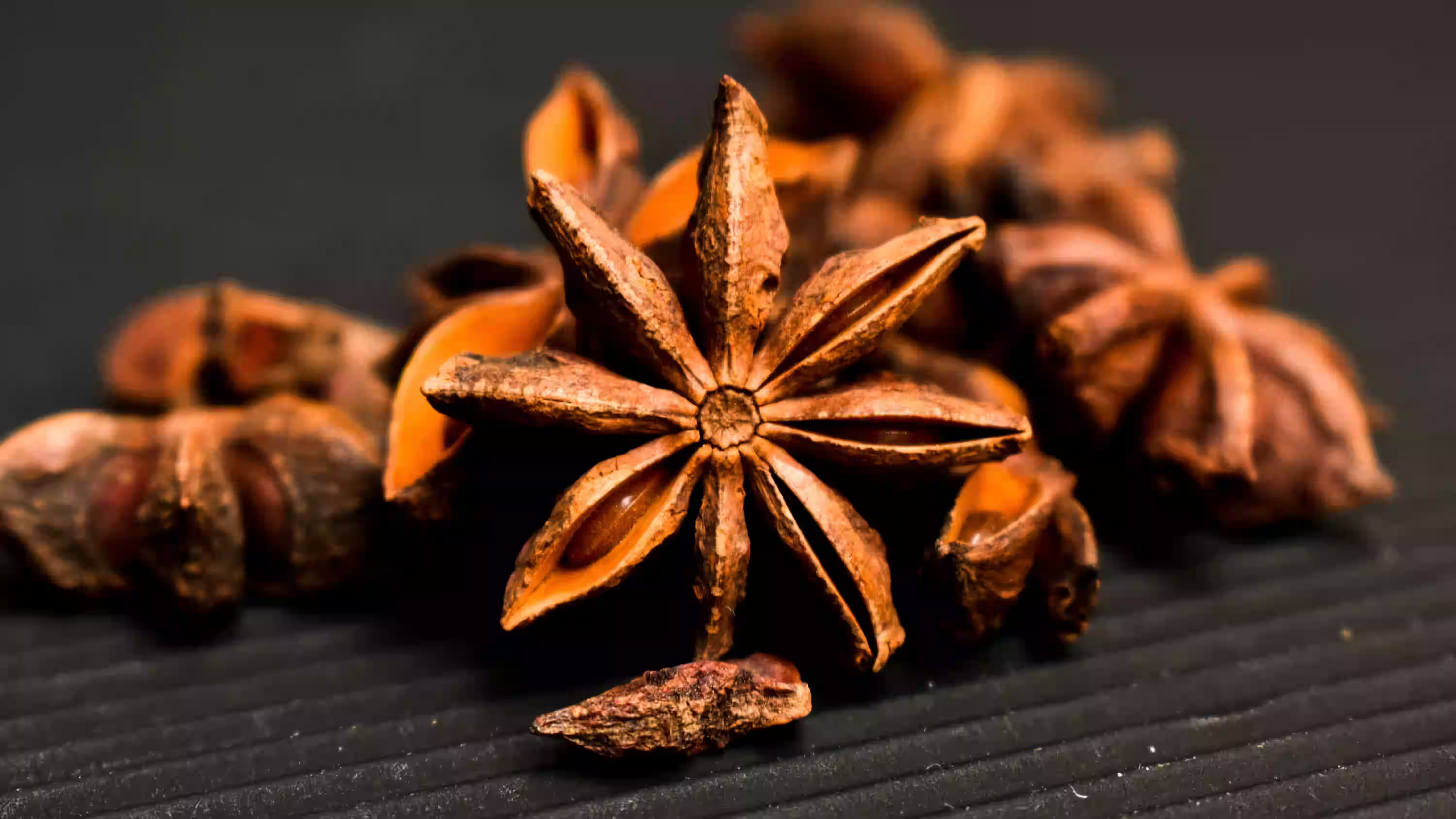
Star anise is a highly known for its strong, slightly sweet
licorice-like flavor, essential in Asian cuisine and perfect for
slow-cooked dishes, braises, and desserts. It is commonly used in
Vietnamese pho, Chinese five-spice powder, and braised meat dishes.
Soy & Star Anise Braised Chicken is a simple yet comforting dish
that slowly builds deep, rich flavor as it cooks. The chicken is
first lightly browned and then gently simmered in soy sauce with
garlic, ginger, and a few warm spices. Star anise is the ingredient
that makes the dish stand out, adding a soft sweetness and a light
licorice-like aroma that blends beautifully with the savory sauce.
As everything cooks together, the sauce becomes darker and thicker,
coating the chicken and filling it with layers of flavor. The soy
sauce brings a deep, savory taste, while a small touch of sugar or
honey balances it with a hint of sweetness. Ginger and garlic add
warmth and depth without overpowering the dish. The star anise isn’t
too strong, but it gives the chicken a gentle, comforting aroma that
makes the dish feel cozy and satisfying. Served over a bowl of warm
steamed rice or with some simple greens on the side, it becomes an
easy meal that feels homemade, hearty, and full of flavor.
Ingredients
Here’s a classic, simple ingredient list for Soy & Star Anise
Braised Chicken:
- Chicken (thighs, drumsticks, or bone-in pieces work best)
- Soy sauce (light soy or a mix of light + dark for color)
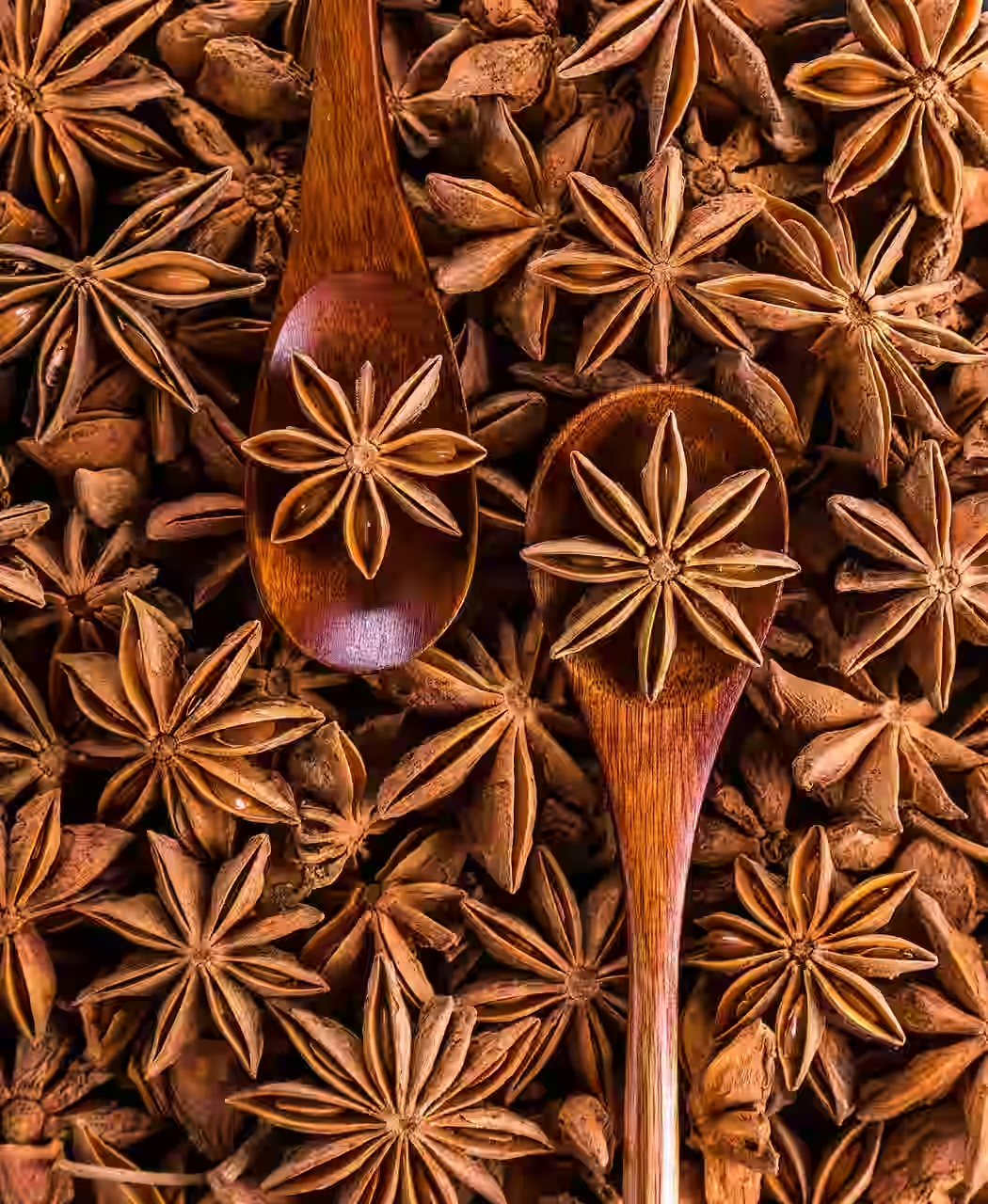
- Star anise (2–3 whole pods)
- Garlic (minced or smashed)
- Ginger (sliced or smashed)
- Onion or shallots (optional, for sweetness)
- Brown sugar or rock sugar (or a bit of honey)
- Cooking oil
- Water or chicken stock
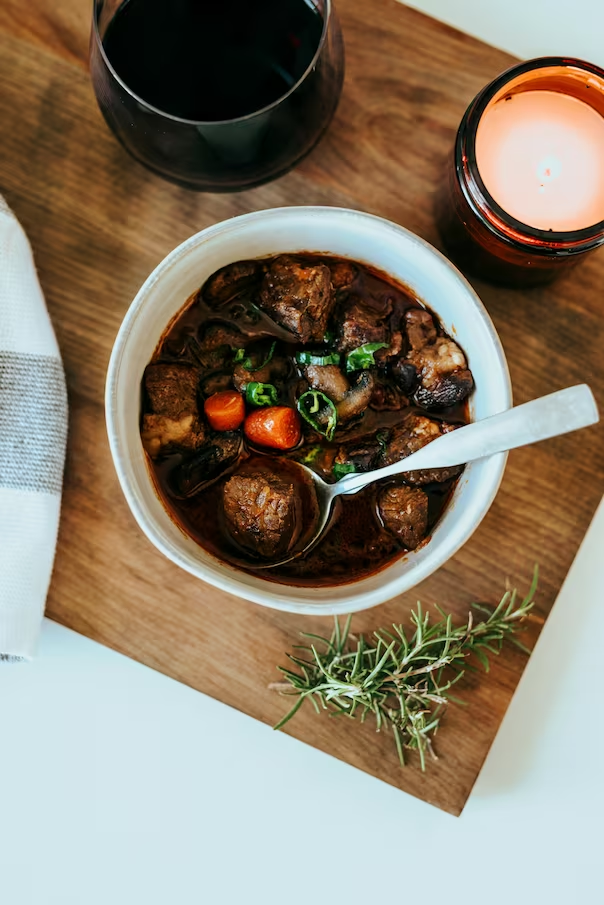
Cooking stew using star anise
Start by heating oil in a pot over medium heat, then add sliced
onions and cook until soft and slightly golden. Add garlic and
ginger and cook for about a minute until fragrant. Place one or two
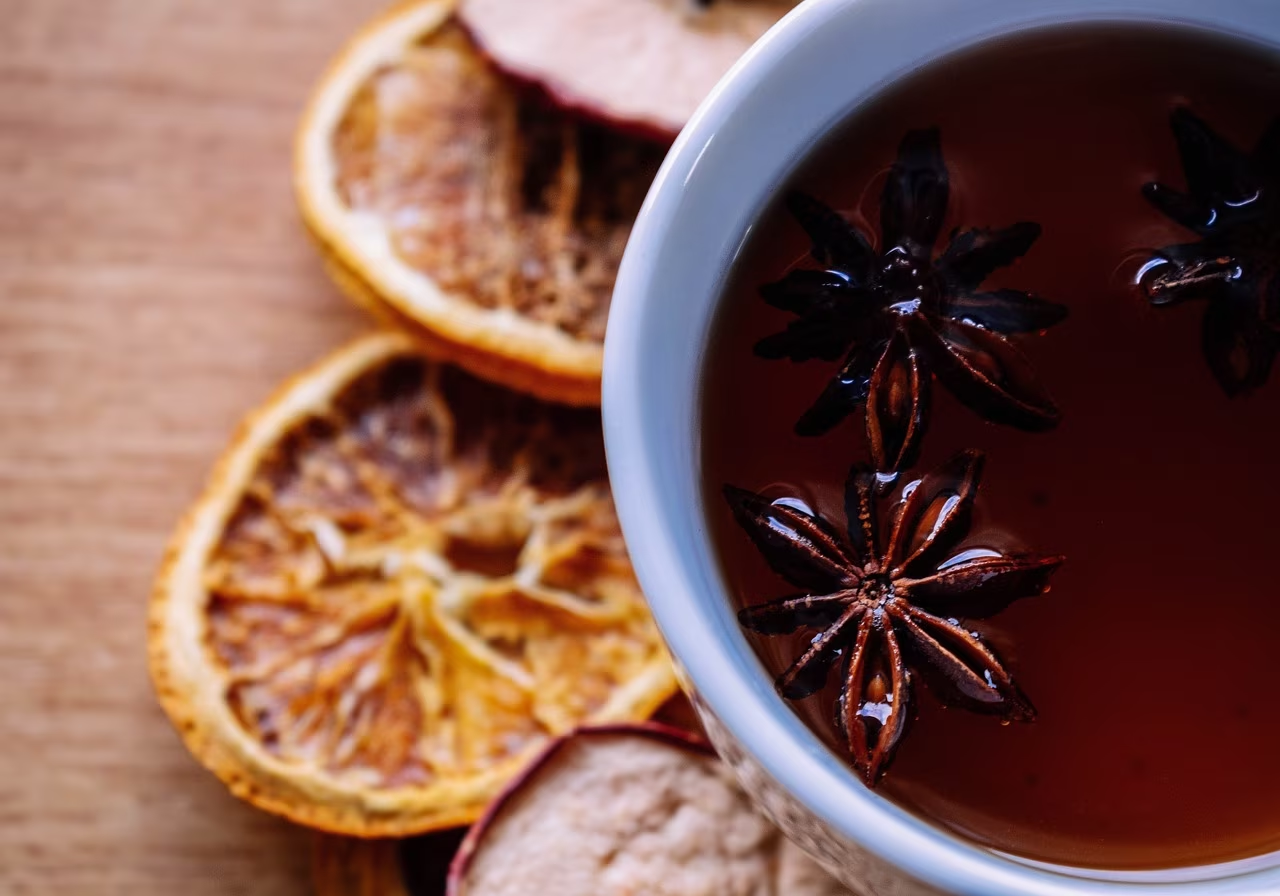
star anise in the pot and let them sit briefly to release their
flavour. Add the chicken, beef, or tofu and cook until lightly
browned. Pour in broth or water, then add soy sauce and a small
amount of sugar to balance the taste. Add vegetables and stir
gently. Cover and let the stew simmer until everything is
tender—about 20–25 minutes for chicken or tofu, and longer for beef.
Taste the stew, adjust with salt and pepper if needed, and remove
the star anise before serving.
Ingredients
- Oil
- Onion
- Garlic
- Ginger (optional)
- 1–2 star anise
- Chicken, beef, or tofu
- Broth or water
- Soy sauce
- Sugar (optional)
- Vegetables
- Salt and pepper
Recent News About Star Anise
A recent article published on Healthline explores the health
benefits and uses of star anise, showing how this traditional
spice continues to gain attention in modern health discussions.
Star anise has been used in traditional Chinese medicine for
centuries, but recent research highlights its potential in
supporting overall health due to its natural bioactive compounds.
According to the article, star anise contains powerful substances
such as flavonoids and polyphenols, which contribute to its
antioxidant and anti-inflammatory properties. The article also
discusses its role in fighting infections, explaining that star
anise contains shikimic acid, a compound widely used in antiviral
medications such as treatments for the flu. This demonstrates how
a natural spice can play an important role in modern medicine. In
addition, star anise has shown antibacterial and antifungal
properties in several studies, making it useful in preventing
certain infections. A key highlight from the article states that
“star anise is rich in a variety of flavonoids and polyphenolic
compounds,” which supports its potential medicinal benefits and
reinforces the idea that it is more than just a flavoring
ingredient. In my opinion, this article clearly shows how natural
ingredients like star anise are becoming more important in today’s
health-conscious world, as more people look for natural ways to
support their immune systems and overall well-being. It is
interesting to see how something commonly used in cooking can also
be used in medicine and scientific research. Overall, the article
provides valuable insight into the benefits and uses of star anise
and highlights how traditional knowledge and modern science are
working together to better understand natural products. As
research continues, star anise may become even more widely used in
both the food and healthcare industries.
Read the full article on Healthline
My Favorite Picnic Spot
My favorite picnic spot is Fort Assiniboine Sandhills Wildland
Provincial Park in Alberta. This area is known for its peaceful
environment, unique sand dunes, and beautiful views along the
Athabasca River. The park offers a mix of forest trails, open
spaces, and quiet natural scenery, making it a perfect place to
relax and enjoy a picnic. To get there, you can drive northwest
from Barrhead and follow Highway 769 toward the park entrance. It
is a remote location, so it feels calm and less crowded compared
to city parks.
View this location on Google Maps
My Favorite Find: A Simple Guide to Real Saffron
I came across my friends website about saffron,The Great saffron
I recently came across my friend’s website about saffron, The Great
Saffron, and it honestly feels very warm and genuine. You can tell
they truly care about the way saffron is grown and hand-harvested,
rather than rushed or mass-produced, which makes it feel more
special than just another spice. The way they talk about using
saffron in cooking is also very easy to relate to, with simple ideas
like adding a few threads to rice, milk, or desserts to bring out
more flavor and color. Even the section about saffron’s benefits
doesn’t feel exaggerated or overly promotional; it’s explained in a
practical and down-to-earth way that feels believable. Overall, it’s
the kind of website that makes you appreciate why saffron is often
called “red gold.”